By: Dr Arshi Ahad (Program Assistant – AMR Mitigation & Stewardship)
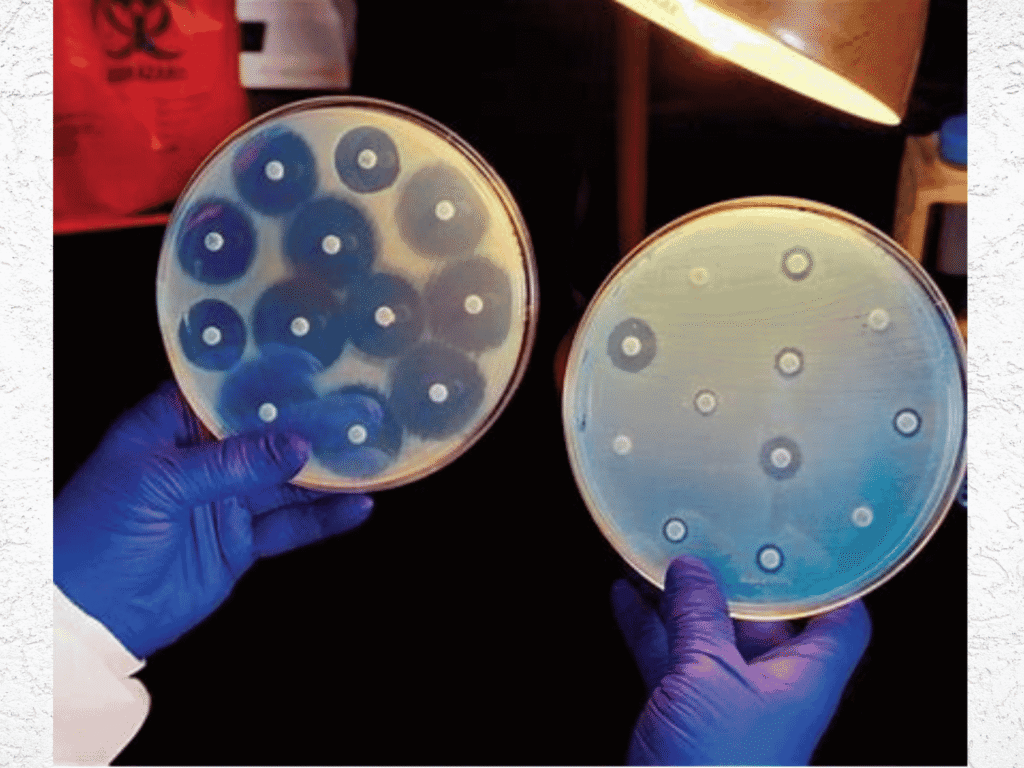
Antimicrobial resistance (AMR) is often described as a scientific crisis, a battle between evolving microbes and an increasingly fragile antibiotic arsenal. But for millions across low- and middle-income countries (LMICs), AMR is also a crisis of inequality.
Drug-resistant infections do not spread evenly. They thrive where clean water is scarce, sanitation is inadequate, overcrowding makes infections routine, and access to timely healthcare is shaped by affordability rather than need. In such settings, the burden of antimicrobial resistance is not merely biological, it is profoundly social.
If AMR is one of the defining global health threats of our time, an uncomfortable question follows:
Can we effectively fight superbugs without addressing the inequalities that help them thrive?
The Reality Behind Resistance
The numbers are sobering. In 2021, bacterial antimicrobial resistance was associated with an estimated 4.71 million deaths globally, with 1.14 million deaths directly attributable to bacterial AMR. The highest burdens continue to fall on regions already struggling with infectious diseases and constrained health systems. (1)
Yet statistics alone do not capture lived reality.
For some families, a resistant infection means a longer hospital stay. For others, it may mean difficult choices between seeking care, paying for treatment or meeting everyday needs. This reveals three often-overlooked gaps in the fight against superbugs.
Three Gaps Inequality Exposes in the Fight Against Superbugs
First, the prevention gap
AMR conversations often begin with antibiotic misuse, but the roots of the problem often start much earlier.
Communities lacking safe water, adequate sanitation and hygiene infrastructure face a higher burden of preventable infectious diseases in the first place. Overcrowded housing further accelerates transmission.
More infections inevitably mean greater antibiotic exposure. Greater antibiotic exposure increases selective pressure for resistance.
This makes infection prevention not a peripheral AMR strategy, but a central one. The World Health Organization has consistently recognised water, sanitation and hygiene (WASH) as essential components of AMR prevention. (2)
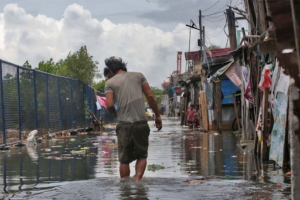
Yet these protections remain weakest in the very communities facing the highest infection risk.
Second, the access gap
Appropriate antibiotic use assumes access to diagnosis, qualified healthcare providers, and affordable care.
For many economically vulnerable populations, this assumption does not hold.
Delayed healthcare seeking is framed as irresponsible behaviour. In reality, it is often constrained decision-making.
When consultation fees are high, transport is unreliable or healthcare facilities are overstretched, self-medication becomes a coping strategy rather than an isolated behavioural failure.
A systematic review found widespread access to antibiotics without prescription through community pharmacies globally, particularly in settings with weaker regulatory enforcement and healthcare structures. (3)
Where adequate diagnostic facilities don’t exist, medical personnel often prescribe blindly further increasing this cycle of resistance.
The irony is difficult to ignore: those with the least access to structured healthcare are often blamed most for irrational antibiotic use.
Third, the protection gap
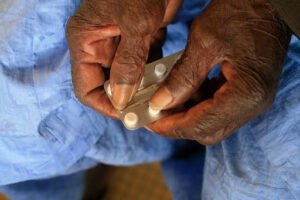
When resistant infections require advanced care, the economically vulnerable households are least equipped to withstand the consequences. Longer hospital stays. Expensive second-line therapies. Repeated diagnostic testing. Lost wages for both patients and caregivers.
A health crisis rapidly becomes an economic one.
Recent equity-focused research has argued that AMR disproportionately harms populations already burdened by structural disadvantage and that biomedical solutions alone cannot adequately address these inequities. (4)
In other words, resistance does not simply exploit biological weakness, it exploits social precarity.
What a More Equitable Response Looks Like
Behavioral change cannot be expected when the environment does not support it. Awareness campaigns alone will not solve this crisis.
An equitable AMR response must begin upstream. Strengthening primary healthcare, improving affordable access to antimicrobials and diagnostics, improving livelihoods, ensuring safe water and good sanitation, and expanding vaccination coverage are all essential for effective AMR mitigation and prevention.
Because antimicrobial resistance does not begin when antibiotics fail. It begins much earlier, in the conditions that shape people’s risk of infection in the first place.
Looking Beyond the Laboratory
Superbugs are often framed as a medical challenge requiring diagnostic and pharmaceutical innovations. Yet the conditions that allow them to thrive are often social.
The real question is no longer whether antimicrobial resistance is a global threat. It is whether we are tackling it as more than a problem of antimicrobials alone by treating the poverty and inequality that fuel it.
Until then, superbugs will continue to spread where vulnerability meets opportunity.
References
- GBD 2021 Antimicrobial Resistance Collaborators. Global burden of bacterial antimicrobial resistance 1990–2021: a systematic analysis with forecasts to 2050. Lancet. 2024;404(10459):1199-1226.
- World Health Organization. Water sanitation hygiene and antimicrobial resistance. Geneva: World Health Organization; 2020.
- Auta A, Hadi MA, Oga E, Adewuyi EO, Abdu-Aguye SN, Adeloye D, et al. Global access to antibiotics without prescription in community pharmacies: a systematic review and meta-analysis. J Infect. 2019;78(1):8-18.
- Davis K, Chandler CIR, Hutchinson E, et al. Antimicrobial resistance, equity and justice in low- and middle-income countries: an intersectional critical interpretive synthesis. Commun Med (Lond). 2025;5:184.