As the ICARS Sustainable Impact and Antimicrobial Resistance (AMR) project moves from defining what sustainable impact means to how it can be achieved in practice, Work Package 2 (WP2) plays a critical role in bridging this gap.
Building on the foundational work of Work Package 1 (WP1), which focused on defining and conceptualizing sustainable impact in AMR interventions, WP2 takes the next step by exploring how sustainability is operationalized across real-world AMR projects. Rather than starting from scratch, WP2 deliberately draws on the conceptual clarity established in WP1 to ensure continuity, coherence, and practical relevance across the project.
Why Work Package 2 Matters
One of the recurring challenges in global AMR programming is not a lack of ambition, but a lack of practical guidance. Many AMR initiatives acknowledge the importance of sustainability, yet struggle to translate this into concrete actions during project design, implementation, monitoring, and transition.
WP2 responds directly to this challenge. Through a structured systematic review process, the work examines how sustainability considerations are embedded, or overlooked, across AMR interventions globally, with particular attention to low- and middle-income country (LMIC) contexts. The aim is not to evaluate individual projects, but to identify patterns, approaches, enablers, and gaps that can inform more sustainable AMR programming and solutions.
Linking Evidence to Practice
A key strength of WP2 is its close alignment with the broader goals of the ICARS Sustainable Impact and AMR project. Insights from the review are intended to inform the development of practical guidance for AMR project teams, tools that support sustainability throughout the project lifecycle, and frameworks that are grounded in evidence but adaptable to different contexts.
Rather than treating sustainability as a final “exit phase” concern, WP2 reinforces the idea that sustainable impact must be considered from project inception through implementation and beyond.
A Complement to Ongoing Engagements
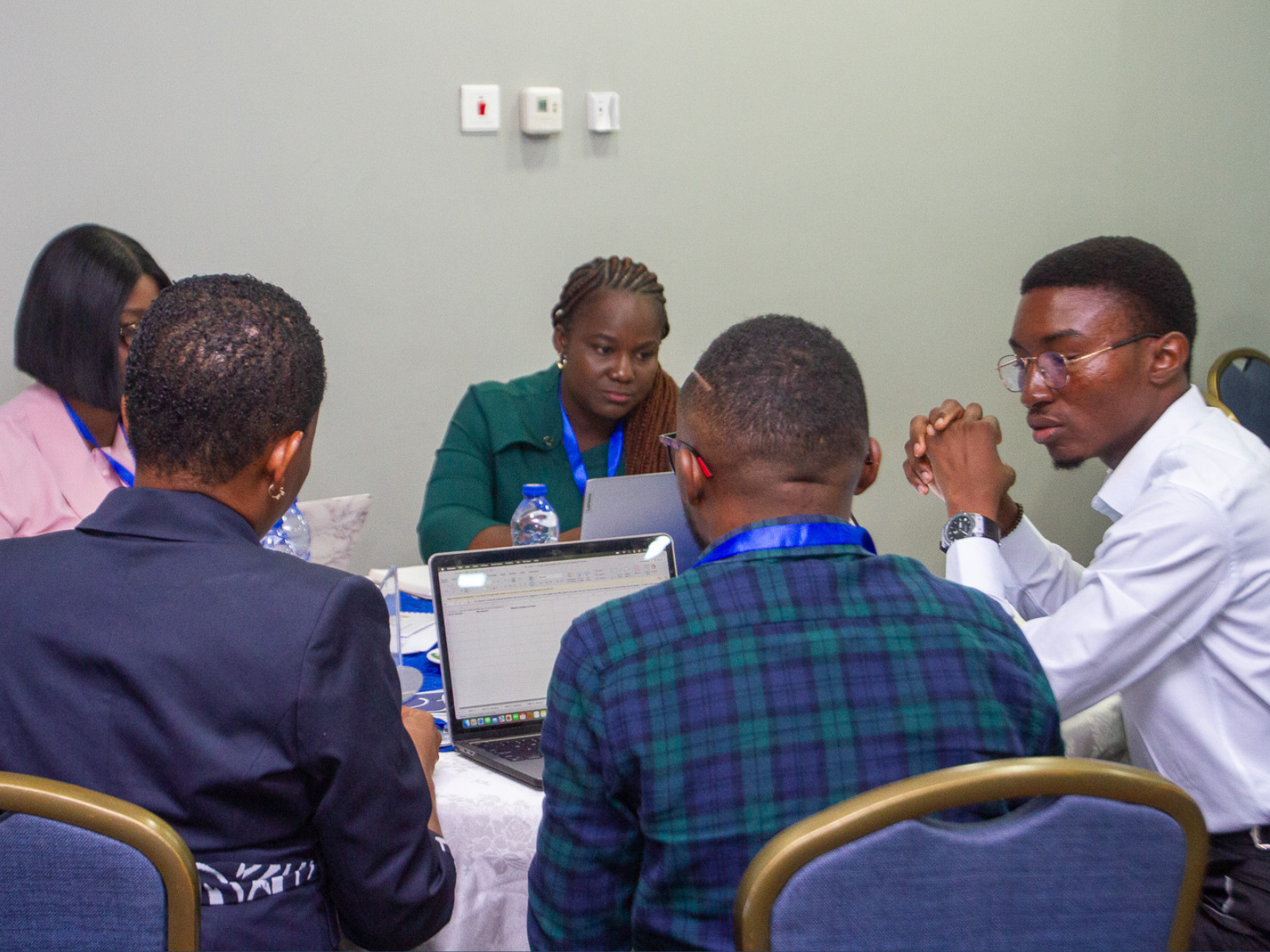
WP2 does not stand alone. Its findings will be synthesized alongside insights from stakeholder consultations, regional workshops, surveys, and co-creation processes undertaken across Africa and Asia. Together, these complementary activities ensure that the emerging Resource Guide and Toolkit are not only evidence-informed, but also shaped by the realities of AMR implementers, policymakers, researchers, and practitioners.
Looking Ahead
As WP2 progresses, its outputs will contribute directly to refining the ICARS Sustainable Impact Resource Guide and Toolkit by helping to move the conversation on AMR sustainability from theory to action. The emphasis remains on learning, adaptation, and continuous improvement, ensuring that future AMR initiatives are better equipped to deliver impact that lasts.
Further updates on how WP2 is shaping the next phase of the project will be shared as the work continues.