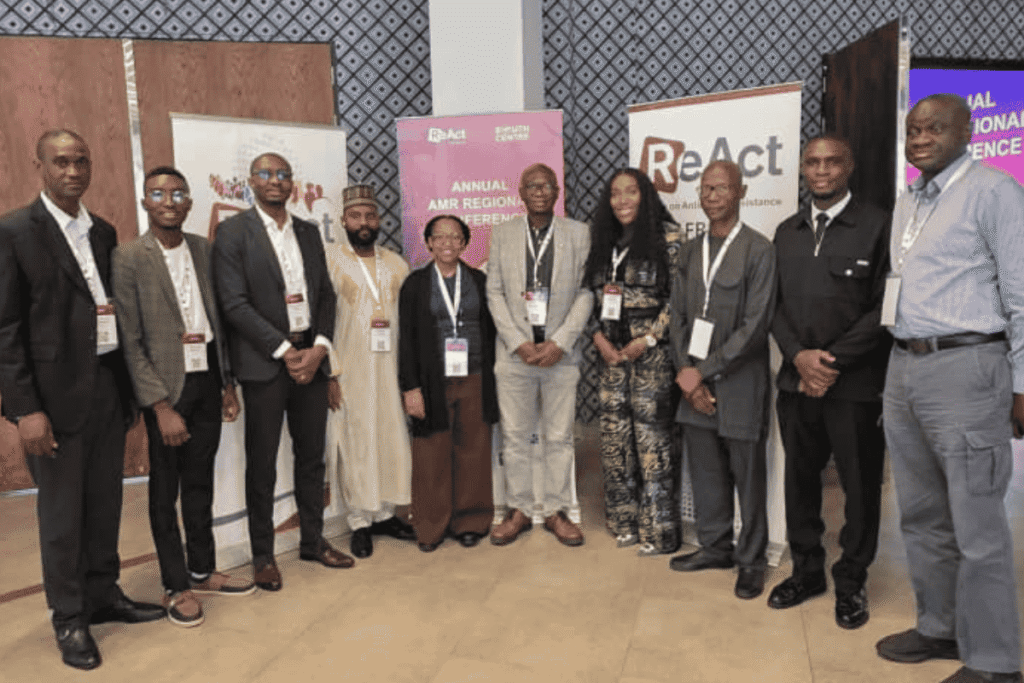
In June 2025, the One Health and Development Initiative (OHDI) joined partners and collaborators at the Annual Regional Antimicrobial Resistance (AMR) Conference in Lusaka, Zambia, a key regional platform for advancing AMR action in Africa.
OHDI was represented by Damilola Adesuyi, Program Coordinator, alongside Pharm. Estelle Mbadiwe, Founder of Ducit Blue Foundation (DBF) and a core collaborator on the ICARS Sustainable Impact and AMR Project. The conference was convened by ReAct Africa and the South Centre, with strong participation from researchers, policymakers, and AMR implementers across the region.
A Dedicated Space to Co-Create Sustainable AMR Solutions
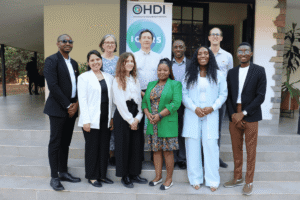
Ahead of the main conference, OHDI and DBF co-led a consultative focus group discussion (FGD) workshop during the ICARS pre-conference day, on behalf of the project consortium and in collaboration with the International Centre for Antimicrobial Resistance Solutions (ICARS).
The workshop brought together ICARS-funded project teams from across Africa to reflect on a critical question:
What does sustainable impact really mean for AMR interventions in low- and middle-income countries, and how can it be achieved in practice?
Using interactive tools and guided discussions, participants shared real-world experiences, challenges, and lessons from ongoing AMR projects across human, animal, and environmental health sectors. These insights directly feed into the ongoing development of the Sustainable Impact Resource Guide and Toolkit, a flagship output of the ICARS project.
Why This Consultative FGD Workshop Mattered
Many AMR projects deliver strong short-term results but struggle to sustain impact once funding ends. This workshop created a rare space for implementers to openly discuss barriers to long-term impact, such as weak policy integration, limited local ownership, and funding constraints; practical strategies that have worked in different country contexts, and how sustainability can be built into AMR projects from the design stage, not added at the end
The discussions reinforced the importance of local ownership, policy alignment, institutional strengthening, and behavior change as pillars highlighted in the Work Package 1 systematic review of sustainable AMR action.

From Dialogue to Action
The outcomes of the Lusaka workshop are now being systematically analyzed and integrated into the broader ICARS project work packages. These findings will help refine tools that ICARS and partners can use to design, implement, and evaluate AMR interventions with sustainability at their core.
For OHDI and DBF, the engagement reaffirmed the value of collaborative, One Health–driven approaches and the importance of creating platforms where implementers’ voices shape global guidance, not just the other way around.
More updates on the Resource Guide and next steps from this work will be shared soon.