One Health and Development Initiative (OHDI)

Pangolin Conservation

Protecting pangolin through empowering community lead actions, risk communications and enhancing sustainable livelihood

Project Summary

Pangolin Conservation, Risk Mitigation and Community-led Action is a conservation and capacity building framework created to address drastic decrease in pangolin populations caused by illegal trade for their scales and meat, habitat loss, lack of enforcement of anti-trafficking laws, high level of poverty  and poor knowledge. Globally, it was discovered that Pangolin are the most trafficked mammals, yet they are poorly understood and protected.

PaRC-Action adopts a community led and One Health Integrated approach, which understands the interconnectedness between environmental health, biodiversity loss and human health. This Initiative focuses on creating awareness, risk communication and  community stewardship by empowering community leaders, schools/institutions, youth and frontline stakeholders to become pangolin advocates.

Through advocacy, community engagement, education, behavior change communications and resilience livelihood interventions.

3,306

Resource Guide and Toolkit in development

2

A female and male pangolin were rescued

45

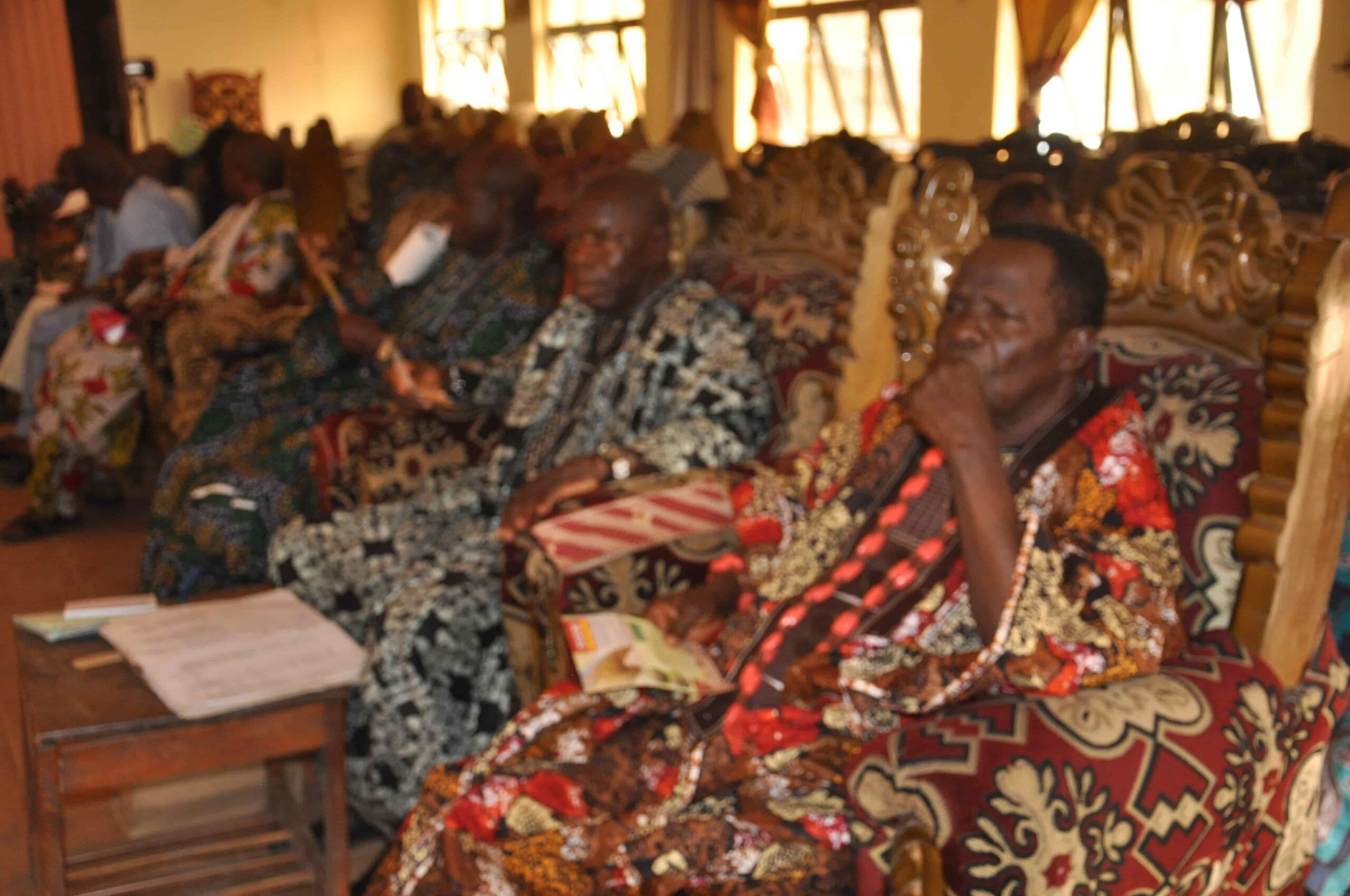
Village leader stakeholders were Engaged

130

Community stakeholders were engaged

1

Pangolin hotspot market targeted (Oluwo market)

4

LGAs reached in Oyo state including Ibadan City and Osun State

Project Components

1

Baseline Assessment/Research and Stakeholders Mapping

This phase mainly focuses on understanding the possible threats, level of awareness and local perceptions related to pangolin conservation. Activities entail: baseline research on pangolin populations, possible threats, and community awareness or knowledge, Mapping out of  stakeholders ( communities, traders, hunters, schools, wildlife protection   agencies) , identification of cultural beliefs, livelihood drivers, risk trajectories connected  to pangolin exploitation.

2

Pangolin Conservation Education and Risk Communication

This phase focuses on creating  awareness and behavioral change through structured communication strategies:  development of conservation and risk communications manuals , dialogues with the community on possible ways to protect wildlife, biodiversity, and legal implications of wildlife trade, school-based conservation education and clubs establishment and OHDI technologies and social media engagement.

3

Youth and Community-led Conservation Action

Youth Conservation champions training  using a train-the-trainer model, spearheading of community-led awareness campaigns and actions  by trained youth and community members, community conservation/wildlife clubs  establishment.

4

Sustainability and policy engagement

This phase focuses on reducing reliance on pangolin exploitation by promoting alternative livelihoods, strengthening community ownership and ensuring long-term sustainability of conservation outcomes. Activities include supporting wildlife friendly income options for at risk groups, and strengthening partnership with wildlife authorities. This phase also focus on promoting  inclusion, research, monitoring, and data on pangolin to guide conservation informed decisions and policy dialogue

Project Footprint

Active implementation across Osun State, Lagos State and Oyo State

Project Spotlight

Watch our field team in action during the consultative workshops in West Africa.

Project Updates

Latest insights from Pangolin Conservation

Project Gallery

Get Involved with Pangolin Conservation

Join our mission to protect pangolin through empowering community lead actions, risk communications and enhancing sustainable livelihood