One Health and Development Initiative (OHDI)

Youths for AMR Risk Communication and Action (YARC)

Empowering young leaders to champion antimicrobial stewardship and drive community action against AMR

Project Summary

Youths for AMR Risk Communication and Action (YARC) project is a global capacity-building initiative that strengthens AMR education, risk communication, and youth-led action across Africa and other LMICs. AMR remains a growing public health threat, driven by low awareness and inappropriate antimicrobial use in many communities. YARC addresses this gap by equipping young people with the knowledge, skills, and tools to serve as effective AMR risk communicators and advocates for better stewardship. Through training, campaigns, and community engagement, youth leaders promote antimicrobial stewardship across schools, farms, healthcare settings, and underserved populations. The initiative has built a vibrant, cross-country youth network advancing AMR mitigation within a One Health framework. In 2025, this project received the 2025 Antibiotic Guardian Award (Public Engagement Category) from the United Kingdom Health Security Agency (UKHSA).

90

Youth champions trained on AMR risk communication via the train-the-trainer approach

525

Youth volunteers trained and engaged by the youth champions

23

Experts engaged as trainers on AMR interventions and risk communication

23

Experts engaged as trainers on AMR interventions and risk communication

90

Youth champions trained on AMR risk communication via the train-the-trainer approach

525

Youth volunteers trained and engaged by the youth champions

23

Experts engaged as trainers on AMR interventions and risk communication

3

Training guides/brochures developed for AMR risk communication

6

Countries reached (Nigeria, Jordan, Cameroon, Malaysia, Rwanda and Tanzania)

23

Nigerian states reached through trained youth networks

48

Communities reached with AMR risk communication messages

81

Secondary schools engaged across Nigeria

31,585

Children reached with AMR risk communication messages in secondary schools

60,067

People reached with AMR risk communication messages in-person

7,666,122

Total people reached with AMR risk communication messages in-person and via social media, webinars, and radio shows

1

International Awards/Recognition Antibiotic Guardian Award

Project Components

The Sustainable Impact Resource Guide and Toolkit is being developed through six key phases

1

Phase 1 - WAAW AMR Communication

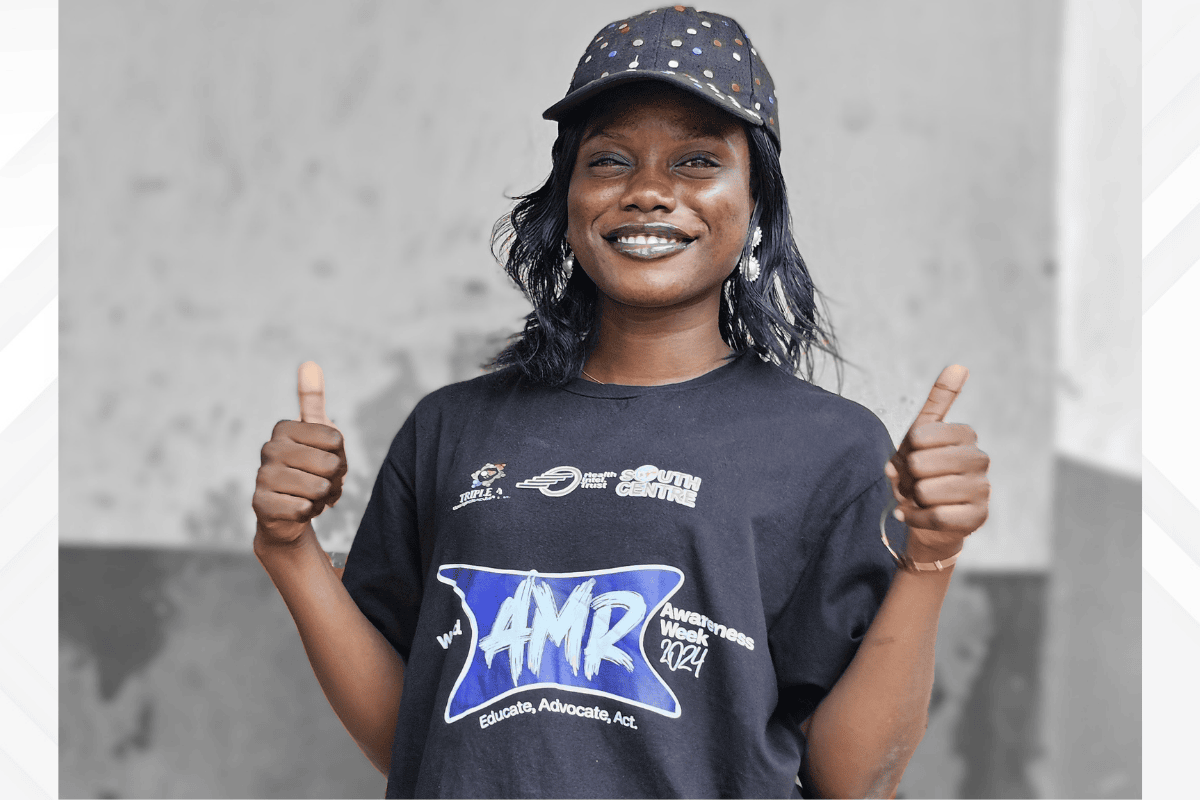
The WAAW AMR Communication Phase 1 engaged youth across Africa through training, co-creation, and mini-grant support. Trained champions developed context-specific AMR materials and led community education and advocacy activities during WAAW 2024, reaching schools, health centers, farms, and media platforms.

2

Phase 2 - WASH off AMR

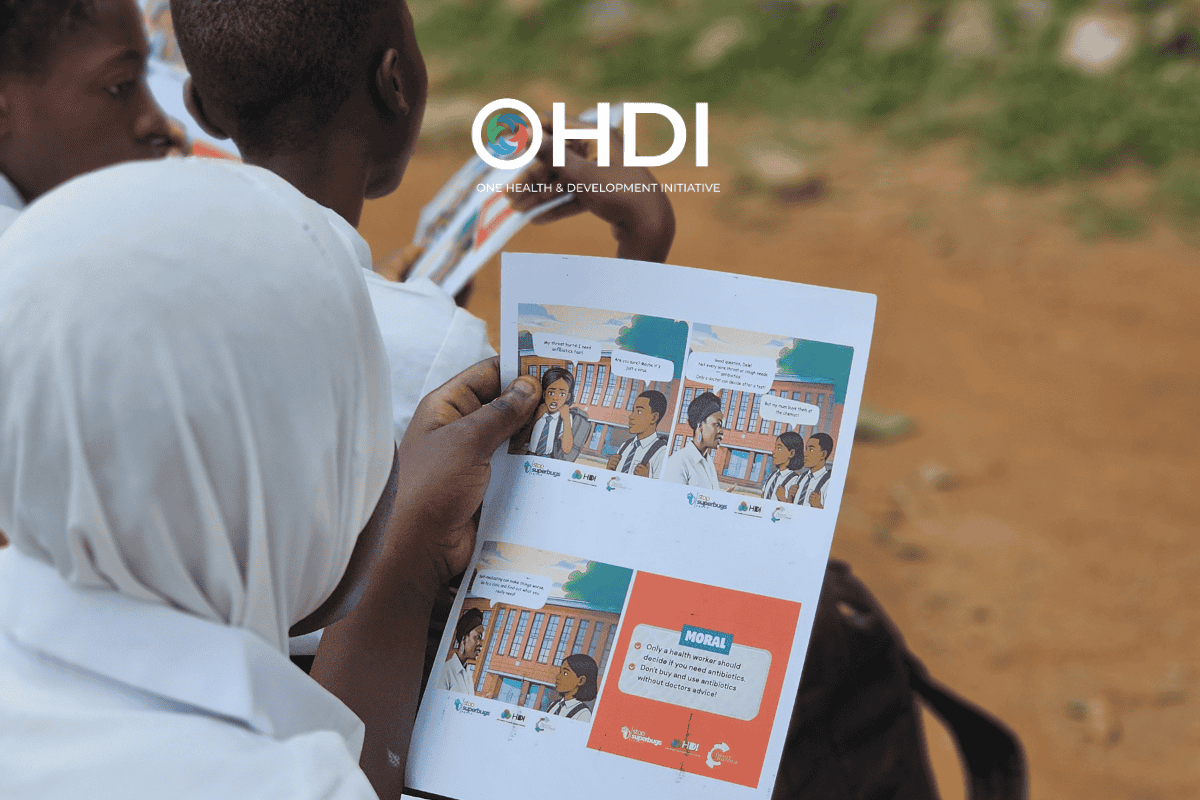
The WASH Off AMR campaign strengthened AMR and WASH education in 81 Nigerian secondary schools through youth-led outreach, co-created risk communication materials, and donations of essential hygiene supplies. Trained youth leaders conducted school assessments, delivered tailored AMR/WASH education, and established AMR clubs to sustain long-term awareness and behavior change.

3

Phase 3 - WAAW AMR Communication

We provided advanced communication training focused on engaging neglected and marginalised groups, including NEET youth (Not in Education, Employment or Training), persons with disabilities, internally displaced persons, and rural farmers. As in Phase 1, champions co-developed tailored communication materials and receive mini-grants to lead AMR education initiatives.

4

Phase 4 and Beyond (Project Sustainability)

Building on lessons from the pilot phases, the AYAC project now transitions into Youths for AMR Risk Communication and Action, anchored on our pillars of meaningful youth engagement – capacity building, co-creation, and resource mobilization. This evolution reflects our commitment to empowering young people globally to drive AMR education, advocacy, and action in their communities

Project Footprint

Active implementation across Nigeria, Jordan, Cameroon, Malaysia, Rwanda and Tanzania

Active implementation across 23 Nigerian states: Abia, Adamawa, Anambra, Bayelsa, Benue, Borno, Cross River, Edo, Enugu, FCT, Jigawa, Kaduna, Kano, Katsina, Kwara, Niger, Ogun, Ondo, Osun, Oyo, Plateau, Sokoto, Yobe

Video Highlights

Project Updates

Latest insights from the Youths for AMR Risk Communication and Action (YARC)

Project Resources & Publications

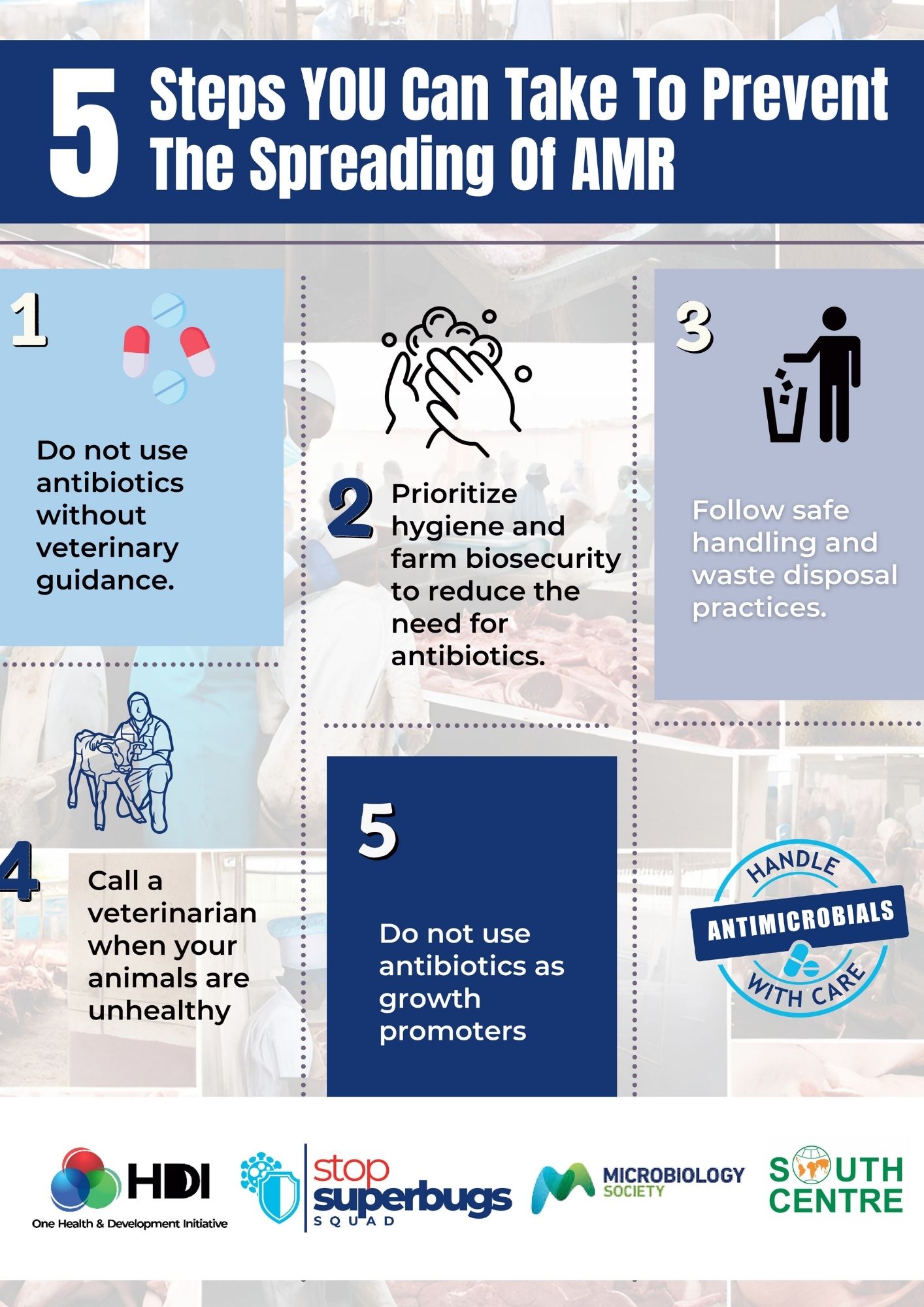
5-Steps-to-prevent-AMR

5 Steps You Can Take to Prevent the Spreading of AMR

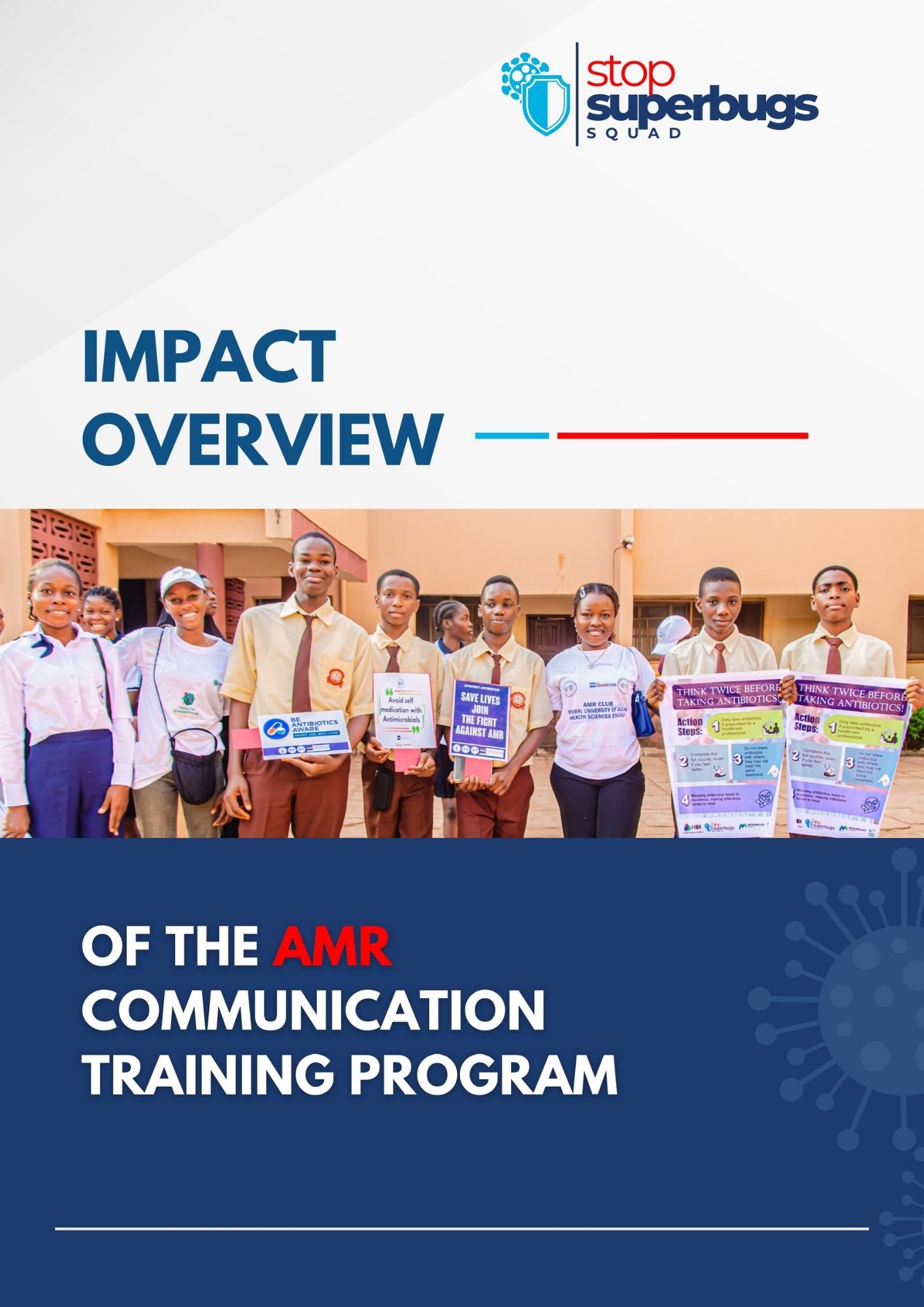
Impact-of-AMR-Comms-Program

Impact Overview of the AMR Communication Training Program

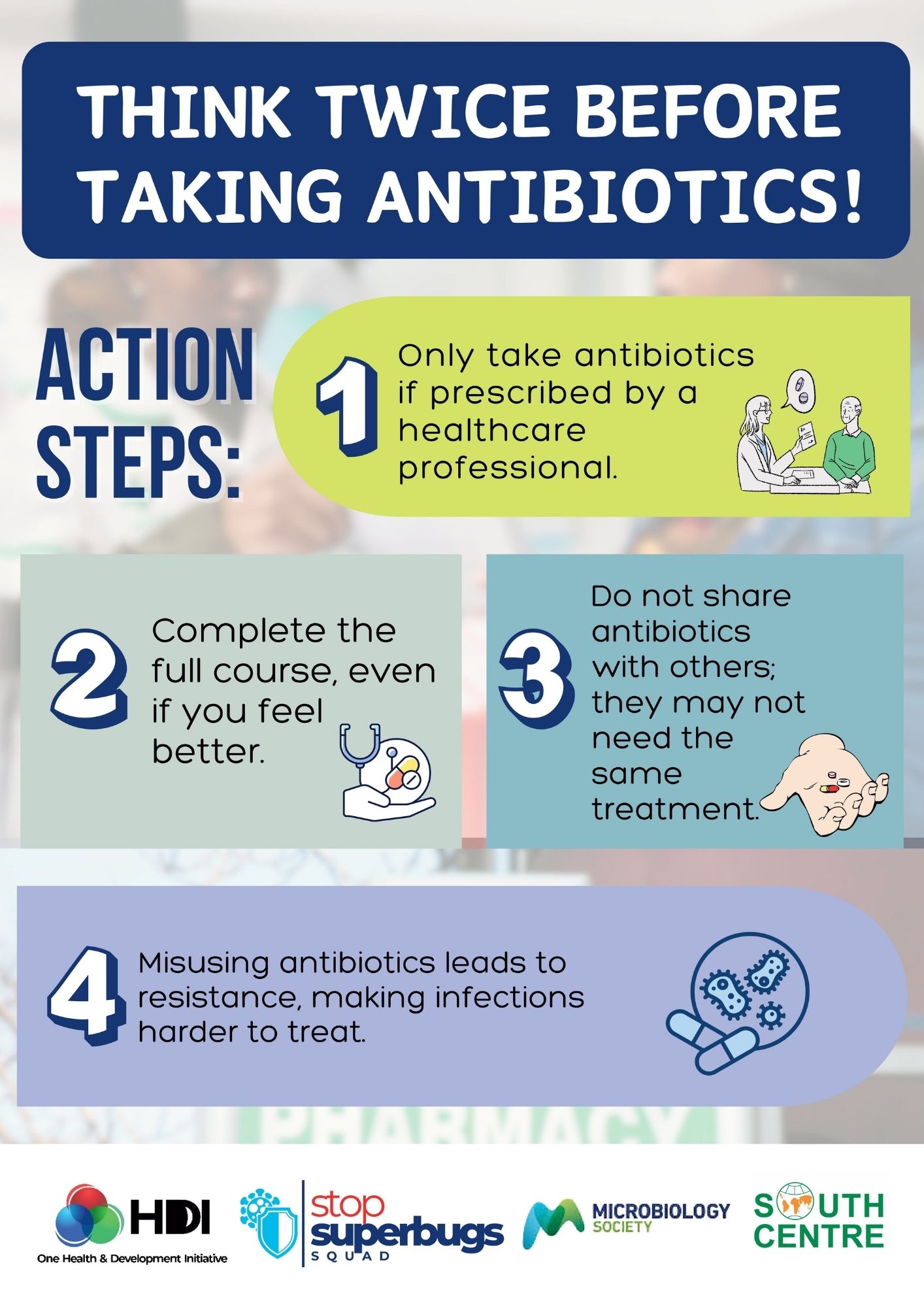
Think-twice-before-taking-antibiotics

Think Twice Before Taking Antibiotics (Action Steps)

Project Gallery

Get Involved with Youths for AMR Risk Communication and Action (YARC)

Testimonials

Stories from the people who were inspired by our work.

Picture - OHDI Testimonial Placeholder

"... a transformative experience in my journey... The training strengthened my understanding of AMR from a One Health perspective and equipped me with practical communication skills to translate complex scientific concepts into clear, community-friendly messages… I am grateful to OHDI for investing in young professionals and strengthening AMR communication capacity across Africa."

Testimonial
Egide Tuyisingize Rwanda

"... my understanding of antimicrobial resistance (AMR) was limited - especially in terms of how to effectively communicate its impact to my community. The training … transformed my perspective. It went beyond communication techniques to build a deep awareness of AMR as a pressing global issue and the responsibility we all share in addressing it. I can no longer ignore the realities of AMR; it shaped my voice, sharpened my advocacy, and continues to influence how I engage with public health issues today."

Oluwadabira Omosebi Nigeria

"The One Health and Development Initiative (OHDI) has played a transformative role in my AMR journey. In 2024, I was given the opportunity to implement my first ever project… It marked the beginning of my confidence and success in antimicrobial resistance advocacy. … strengthened my understanding of the critical role effective communication plays in AMR mitigation and prevention... These experiences have made me more confident, intentional and strategic in my AMR engagements and they continue to shape my growth as a veterinary professional and AMR advocate."
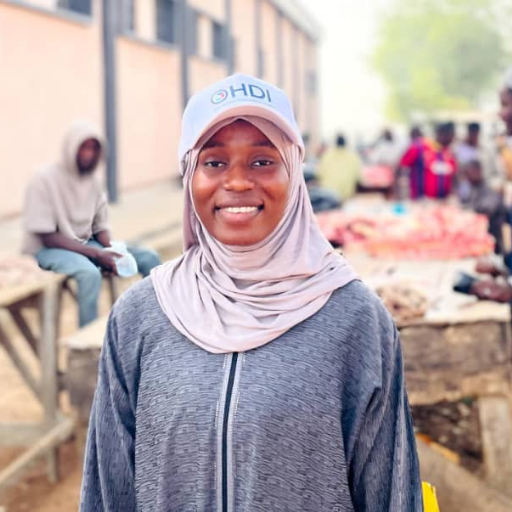
Dr. Fatimah Zahra Zubair Nigeria

The AMR Communication Training Programme is a timely and important contribution to the global fight against antimicrobial resistance. As a facilitator … I was particularly pleased to support these young champions to simplify a complex and often technical issue, translate evidence into clear, compelling messages, and design awareness campaigns that resonate with real community contexts. What stood out most was their enthusiasm and commitment to sharing this knowledge with peers and community members. Their energy and sense of responsibility to drive lasting change reinforce the value of investing in youth-led communication for public health impact.

Omolara Oyinlola Facilitator (Nigeria)

"Through this intensive … program, I had the opportunity to learn from experts in digital communication, risk communication, audience-specific engagement in AMR messaging, and policy advocacy... This has been one of the most significant positive impacts of the program on my personal and professional development. This experience laid a strong foundation for effective One Health practice, and I am confident that the knowledge and skills gained will support my future endeavors as a veterinarian."

Ji Xiu Tan Malaysia

"The AMR Risk Communication Training organized by OHDI in 2024 was a defining moment in my advocacy journey. It fundamentally shifted my approach from relying solely on scientific evidence to mastering effective, people-centred and tailored communication. I gained practical skills to translate complex concepts into clear, relatable messages for diverse audiences. Since the training, I have applied these strategies locally and internationally to build trust and counter misinformation."

Abdulbasit Hamza Nigeria