OHDI at the AMR 2026 Summit: Moving from Dialogue to Action
In February 2026, global leaders, researchers, policymakers, and practitioners gathered in Sydney, Australia for the AMR 2026 Summit, a critical moment to reflect on progress
Generating evidence to strengthen AMR intervention action, policy, and impact.
The AMR Implementation Research and Policy project area serves as the central hub for all AMR-related research, policy engagement, and systems support across the One Health spectrum.
These include operational research and evidence-generation activities, policy integration, and evaluation processes and evaluation work in collaboration with governments, academia, civil society, and development partners. It focuses on generating policy-relevant evidence, strengthening AMR governance, supporting national and subnational AMR strategies, and translating research into practical, context-appropriate action.
By integrating research, policy, implementation, and learning, OHDI’s AMR Implementation Research and Policy work strengthens coordinated, sustainable, and evidence-informed responses to AMR across human, animal, and environmental health systems.
We generate and synthesize evidence on antimicrobial resistance across human, animal, plant and environmental health through applied research, evaluations, reviews, and learning-focused studies that inform policy, programming, and systems strengthening.
We support governments and stakeholders to design, strengthen, and implement effective AMR policies, contributing technical input to national action plans, One Health analyses, and multisectoral coordination processes.
Active implementation across Nigeria, Ghana, and Kenya.
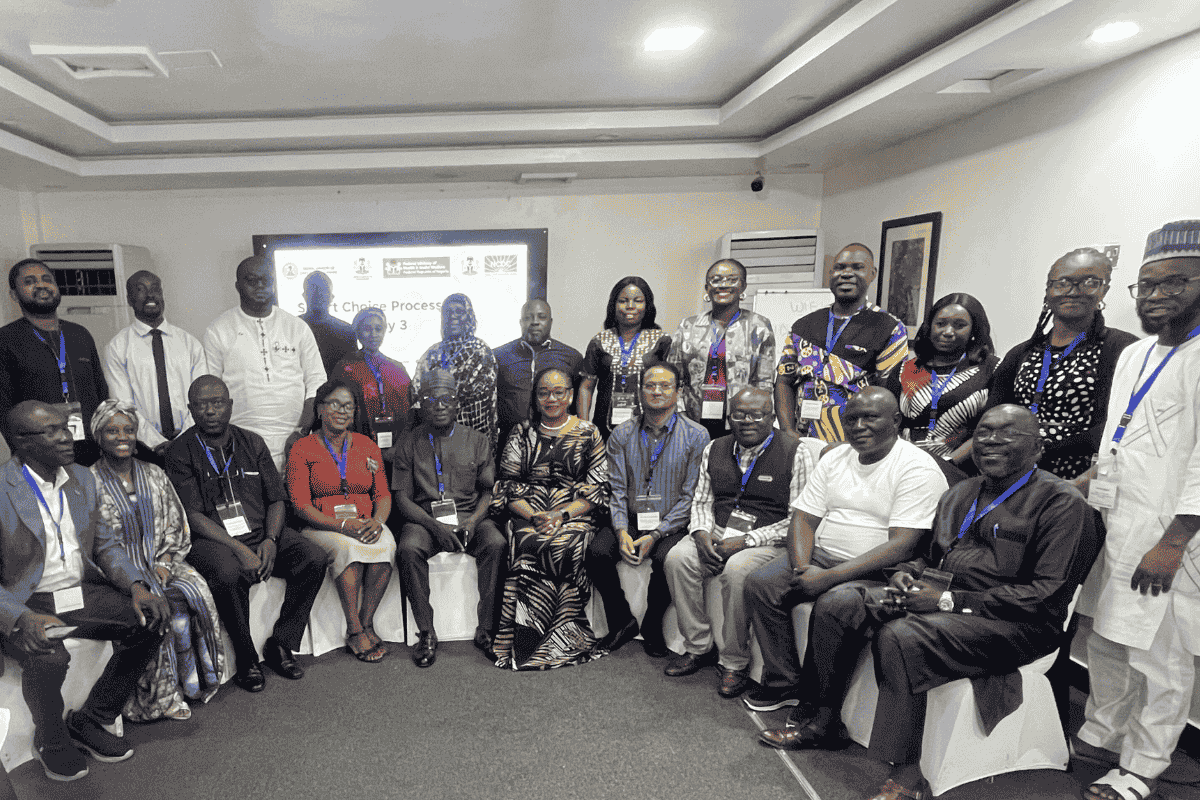
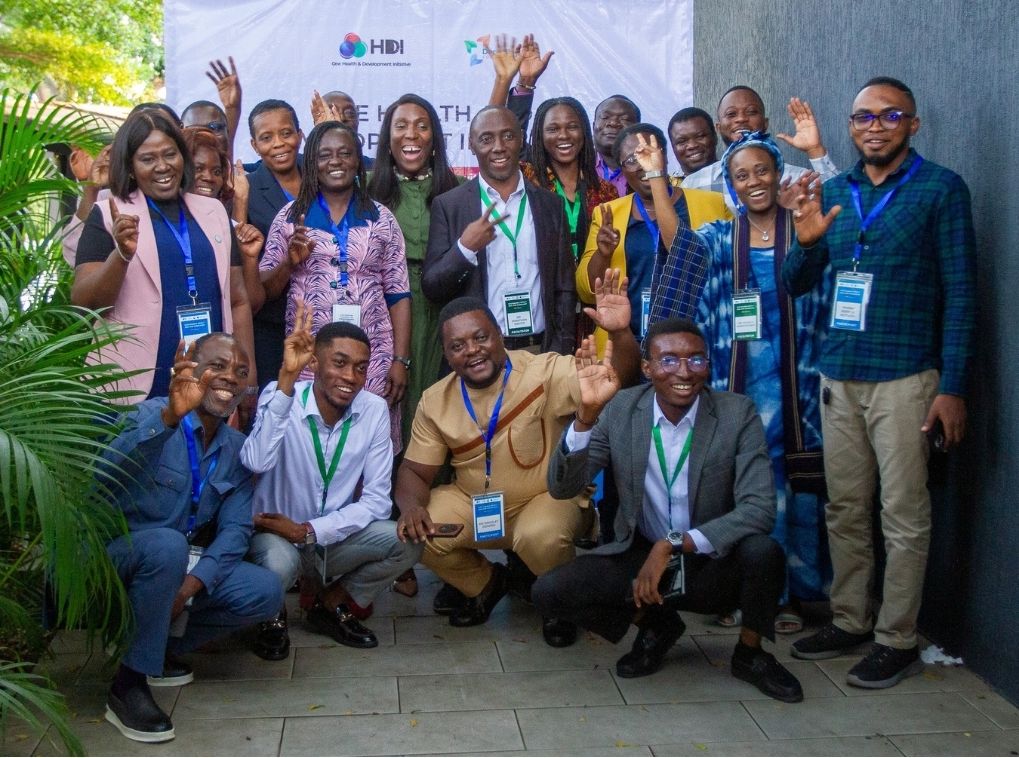
Watch our field team in action during the consultative workshops in West Africa.
Latest insights from AMR Research & Policy

In February 2026, global leaders, researchers, policymakers, and practitioners gathered in Sydney, Australia for the AMR 2026 Summit, a critical moment to reflect on progress

As antimicrobial resistance (AMR) continues to pose a growing threat to public health, food systems, and environmental sustainability, countries are increasingly challenged not only by
As part of the ICARS Sustainable Impact and AMR Project, Ghana was selected as one of the pilot countries to test and refine the draft