Ensuring the safety and quality of food systems is a cornerstone of public health, economic stability, and sustainable development. In Nigeria, where livestock and meat products form a significant component of daily nutrition and livelihoods, strengthening systems that preserve food quality from production to consumption is both urgent and essential.
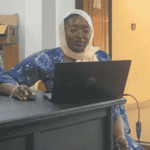
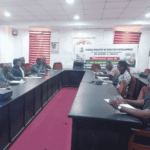
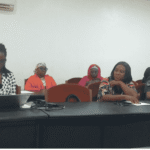
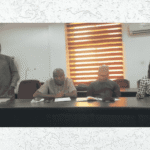
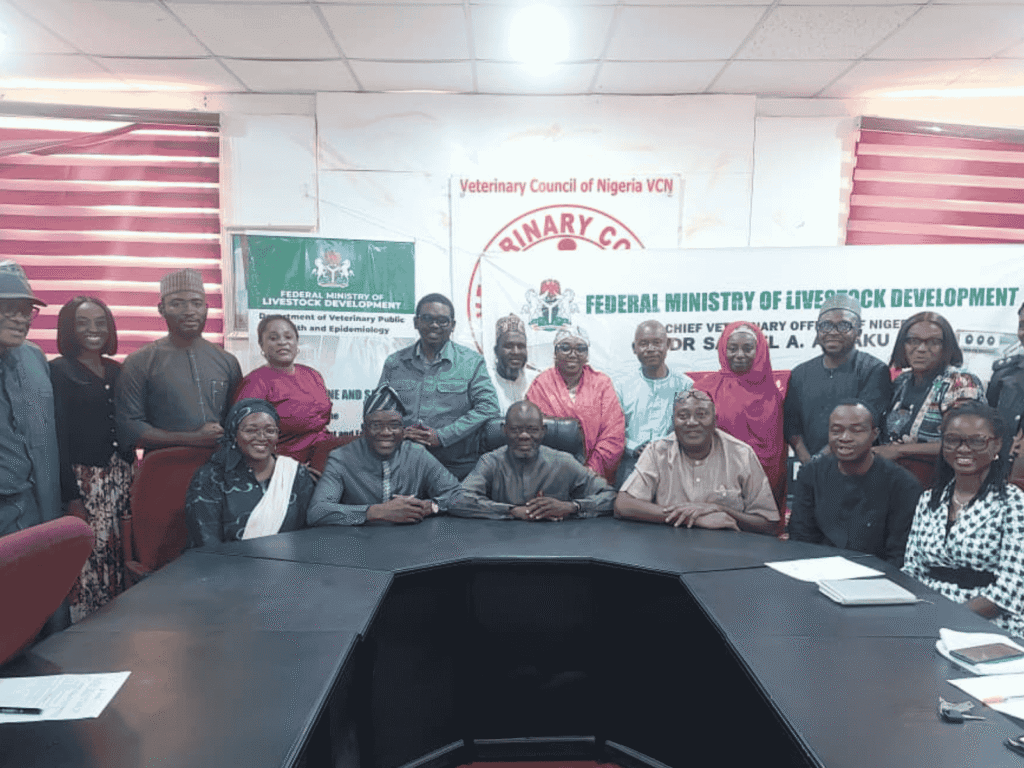
In line with this, the One Health and Development Initiative (OHDI) participated in a critical national validation workshop on the Standard Operating Procedure (SOP) for Cold Chain Management in Meat Facilities, convened by the Federal Ministry of Livestock Development (FMLD). The two-day workshop, held from 15–16 December 2025 at the Veterinary Council of Nigeria in Abuja, brought together key stakeholders across government, regulatory, and professional institutions to review and refine this important national framework.
Advancing Safer and More Sustainable Food Systems
Cold chain management is a fundamental component of responsible and sustainable food systems. It ensures that meat products are handled, stored, and transported under appropriate temperature conditions, reducing the risk of microbial contamination and food-borne diseases.
However, across many parts of Nigeria, persistent challenges such as inadequate infrastructure, inconsistent temperature control, and weak enforcement of standards continue to compromise meat safety. These gaps not only pose risks to public health but also undermine consumer confidence, market access, and the overall integrity of the food system.
The development and validation of a national SOP for cold chain management represents a significant step toward addressing these systemic issues. By providing clear, standardized guidance for actors across the meat value chain from slaughterhouses to markets and transport systems, the SOP aims to strengthen food safety practices nationwide.
A Multisectoral Approach to Food Safety
The validation workshop was designed not just as a technical review exercise, but as a platform for multisectoral collaboration. Participants included representatives from the Federal Ministry of Livestock Development, Federal Ministry of Health and Social Welfare, Federal Ministry of Environment, regulatory agencies such as the Nigerian Agricultural Quarantine Service, and professional bodies including the Veterinary Council of Nigeria and the Nigerian Veterinary Medical Association.
This diverse representation reflects a growing recognition that food safety is not the responsibility of a single sector. Instead, it requires coordinated action across veterinary, human health, environmental, and regulatory systems, an approach that lies at the heart of the One Health framework. Throughout the workshop, stakeholders engaged in detailed discussions and technical reviews aimed at strengthening the SOP’s clarity, practicality, and alignment with both national policies and international best practices.
Key Areas of Focus
Deliberations during the workshop centered on critical aspects of cold chain management and meat safety. These included temperature control standards during storage and transportation, proper handling procedures within slaughterhouses and processing facilities, and the establishment of robust monitoring and compliance mechanisms.
Participants also examined the roles and responsibilities of regulatory institutions, explored risk mitigation strategies to reduce food-borne illnesses, and emphasized the importance of coordination among veterinary, public health, and environmental authorities. These discussions were instrumental in ensuring that the SOP is not only technically sound but also operationally relevant within Nigeria’s unique livestock and food system context.
OHDI’s Contribution: Integrating One Health into Food Systems Governance
OHDI’s participation in the workshop underscores its ongoing commitment to advancing responsible and sustainable food systems through a One Health lens. Represented by Dr. Kikiope Oluwarore, Dr. Nabil Yakubu, and Dr. Bashirat Idris, OHDI provided technical inputs that emphasized the need for integrated food safety systems, stronger linkages between veterinary and human health sectors, and the adoption of risk-based approaches to preventing food-borne diseases.
OHDI also advocated for enhanced multisectoral coordination in livestock and food safety governance, recognizing that effective implementation of the SOP will depend not only on technical guidelines but also on institutional collaboration and accountability.
Key Outcomes and the Path Forward
The workshop concluded with the successful validation of the draft SOP, marking an important milestone in Nigeria’s efforts to strengthen its meat safety systems. Participants identified key operational improvements, reinforced collaboration among regulatory bodies, and ensured that One Health considerations were embedded within the framework.
Once adopted, the SOP is expected to serve as a national guideline for improving meat handling, storage, and transportation practices across the country. Its implementation has the potential to significantly reduce food-borne disease risks, enhance consumer trust, and support more resilient and sustainable livestock value chains.
Building the Future of Responsible Food Systems
This engagement reflects OHDI’s broader vision under its Responsible and Sustainable Food Systems (RSFS) program area, to strengthen food systems that are safe, ethical, resilient, and aligned with public health and environmental sustainability. As Nigeria continues to address complex food safety challenges, initiatives such as this SOP validation demonstrate the power of collaboration, evidence-based policymaking, and integrated approaches. By working across sectors and disciplines, stakeholders can build food systems that not only feed populations but also protect their health, livelihoods, and ecosystems.
OHDI remains committed to supporting such efforts bringing together science, policy, and practice to drive lasting impact at the intersection of human, animal, and environmental health.