Rabies is one of those diseases that should no longer exist in the way it still does. It is entirely preventable, yet it continues to claim lives, quietly, disproportionately, and often in communities where awareness and access to care remain limited.
This reality was at the heart of the One Health and Development Initiative’s engagement during World Rabies Day 2025, commemorated from September 25 to 28 in Abuja. The event was not just another awareness activity. It was a deliberate effort to bring together policy, community engagement, and practical action under one coordinated One Health approach.
What stood out most about this year’s commemoration was the way it moved across levels from government engagement to community interaction without losing sight of the core goal: preventing rabies and saving lives.
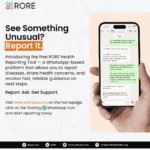
The engagement began with a ministerial-level interaction where OHDI, represented by Dr. Abdullah Al-Awal, highlighted the organisation’s growing work in rabies prevention and broader One Health programming. Central to this conversation was the role of innovation, particularly how simple digital tools can improve access to information, strengthen reporting, and support faster response.
But beyond the policy space, the real impact of the commemoration was felt in the community.
The outreach walk that followed brought a different kind of energy, one that reflected shared responsibility. As participants moved through the city, the conversations shifted from technical language to everyday realities: how dogs are managed, what people do after a bite, what they believe about rabies, and what they know. These moments matter, because prevention does not happen in policy rooms alone; it happens in homes, markets, and communities.
That same spirit carried into the school engagement sessions, where young people were not just passive listeners but active participants. The discussions went beyond facts and figures, helping students understand their role in preventing rabies, how to interact safely with animals, why vaccination matters, and what to do when something goes wrong. You could see the shift happen in real time: from curiosity to understanding, and from understanding to responsibility.
Across the four days, thousands of people were reached, not just through numbers, but through meaningful interaction. Educational materials were distributed, conversations were held, and questions were asked, sometimes simple, sometimes complex, but always important.
What became clear through all of this is that awareness is still one of the biggest gaps in rabies control. Many people still do not fully understand how rabies is transmitted, how preventable it is, or how critical it is to seek care immediately after exposure. And yet, when given the information in the right way, the response is encouraging. People are willing to learn. They are willing to change. They just need access.
This is where efforts like this become important as part of a broader, sustained approach to health security.
World Rabies Day is often seen as a moment of reflection, but it is also a moment of direction. It reminds us that eliminating rabies is not just about vaccines or policies, but about systems that work together and communities that are informed and empowered.
For OHDI, this commemoration reinforces a larger commitment: to continue strengthening prevention, improving surveillance, and supporting response systems through integrated, community-based approaches. Because ultimately, achieving the global goal of “Zero by 2030” will depend not only on what we do at national and global levels, but on what happens within communities every day.
Rabies is preventable. The knowledge exists. The tools exist. What remains is ensuring that they reach the people who need them most, and that is exactly the work that must continue.