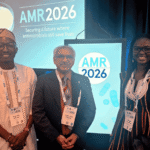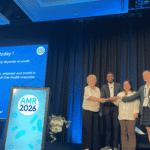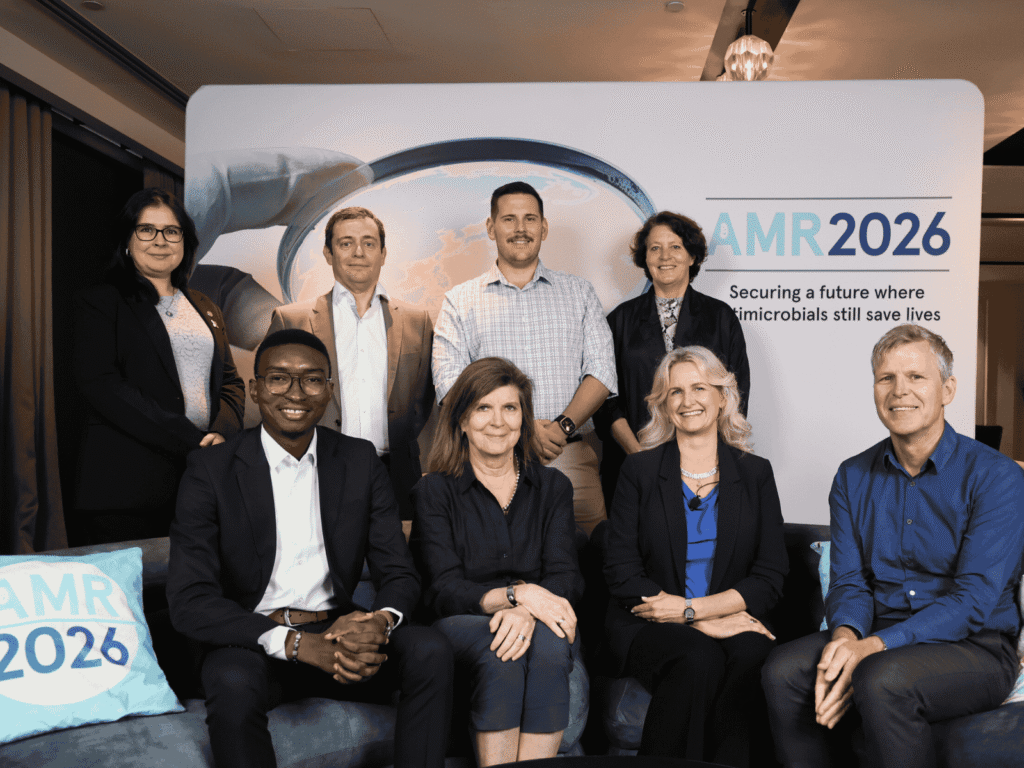
In February 2026, global leaders, researchers, policymakers, and practitioners gathered in Sydney, Australia for the AMR 2026 Summit, a critical moment to reflect on progress and confront the realities of tackling antimicrobial resistance (AMR). The AMR Summit is a global convening led by the CSIRO and partners, bringing together policymakers, researchers, industry leaders, funders, and civil society actors to advance coordinated action on antimicrobial resistance. The Summit serves as a platform to assess progress, share emerging evidence and innovations, and strengthen collaboration across sectors, with a strong emphasis on translating global commitments into practical, scalable solutions that address AMR across human, animal, and environmental health systems.
At a time when AMR continues to pose a growing threat to global health, food systems, and economies, the conversations were clear, awareness is no longer enough. The focus must now shift decisively toward implementation, sustainability, and measurable impact.
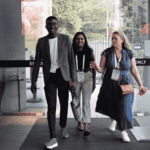
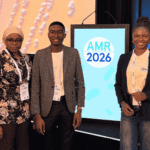
OHDI was proud to be part of this global convening, represented by our Executive Director, Dr. Kikiope Oluwarore, and our Program Lead for AMR Mitigation and Stewardship, Damilola Adesuyi. Across the 3-day Summit, the team engaged in high-level discussions, technical sessions, and strategic conversations with partners and stakeholders committed to advancing AMR action.
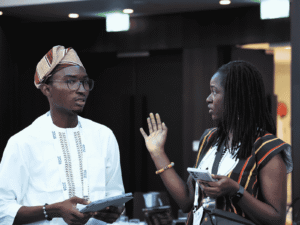
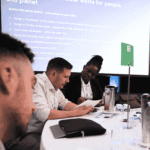
A defining feature of OHDI’s participation was its contribution to conversations on youth engagement and education. As a co-moderator of a session on meaningful youth engagement, Damilola Adesuyi helped spotlight innovative, youth-led AMR initiatives from around the world. The discussion underscored a powerful and recurring message throughout the Summit, which is that the future of antimicrobial stewardship will depend not only on policies and systems, but on how effectively young people are included, empowered, and supported to lead.
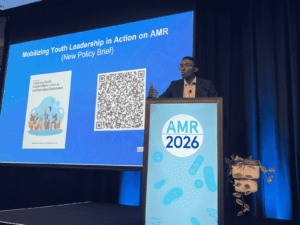
This perspective carried into another key session, where OHDI contributed to discussions on the Global Consensus Document on Tackling AMR through Education, led by the Fleming Initiative. Here, the focus shifted to the long-term, how education systems can shape awareness, influence behaviour, and embed stewardship practices across societies. The conversation made it clear that sustainable AMR action begins far beyond clinical settings; it starts with knowledge, culture, and everyday decision-making.
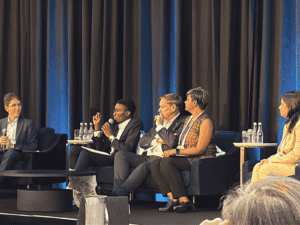
Beyond these sessions, OHDI also engaged in a satellite dialogue exploring how global AMR frameworks can be translated into actionable strategies within national and local contexts. These discussions are already informing upcoming implementation efforts, including planned pilot activities in Nigeria.
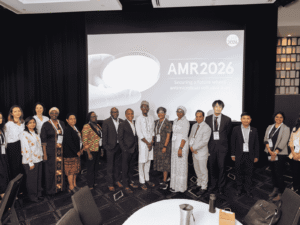
Throughout the Summit, a consistent thread emerged showing that while global commitment to AMR is growing, the real challenge lies in translating these commitments into coordinated, sustainable action. Participants reflected on the limitations of policy declarations that are not backed by legal frameworks, financing, or cross-sector collaboration. There was also increasing attention on the role of innovation, particularly the use of data, predictive tools, and artificial intelligence to strengthen surveillance and inform early response systems.
At the same time, there was a strong recognition that AMR is ultimately a people-centred challenge. The success of antimicrobial stewardship efforts depends not just on guidelines, but on how interventions are understood, adopted, and sustained by those who prescribe, use, and manage antimicrobials. This shift – from enforcement to engagement, from policy to practice -was one of the most important takeaways from the Summit.
Equally important was the growing emphasis on sustainable impact. Across sessions, speakers returned to a common concern that too many AMR interventions fail to last beyond initial funding cycles. Addressing this requires more than technical solutions, calling for stronger systems, local ownership, and deliberate planning for long-term continuity. These insights strongly align with OHDI’s ongoing work on sustainable impact in AMR interventions.
The Summit closed with a clear and urgent call, which is that the global community must move beyond dialogue and into action. The tools, knowledge, and partnerships exist, but progress will depend on how effectively they are mobilized, coordinated, and sustained.
For OHDI, the AMR 2026 Summit was not just a moment of reflection, but a reaffirmation of our commitment to advancing evidence-based, One Health solutions to combating antimicrobial resistance. As we continue our work across communities, research, policy, and digital innovation, we remain focused on one central goal by ensuring that AMR interventions are not only effective, but sustainable, inclusive, and capable of delivering lasting impact.
To learn more about our work in AMR, click here.
Click here to see further highlights from OHDI’s participation at the event.