Health threats rarely announce themselves clearly. They emerge quietly, through changes in the environment, unusual patterns in communities, or signals that are often missed because systems are not fully connected.
Strengthening how these signals are identified, reported, and acted upon is at the heart of effective health security.
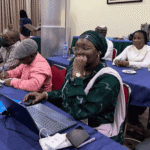
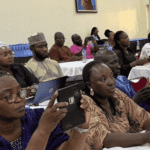
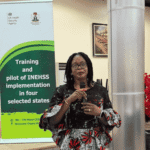
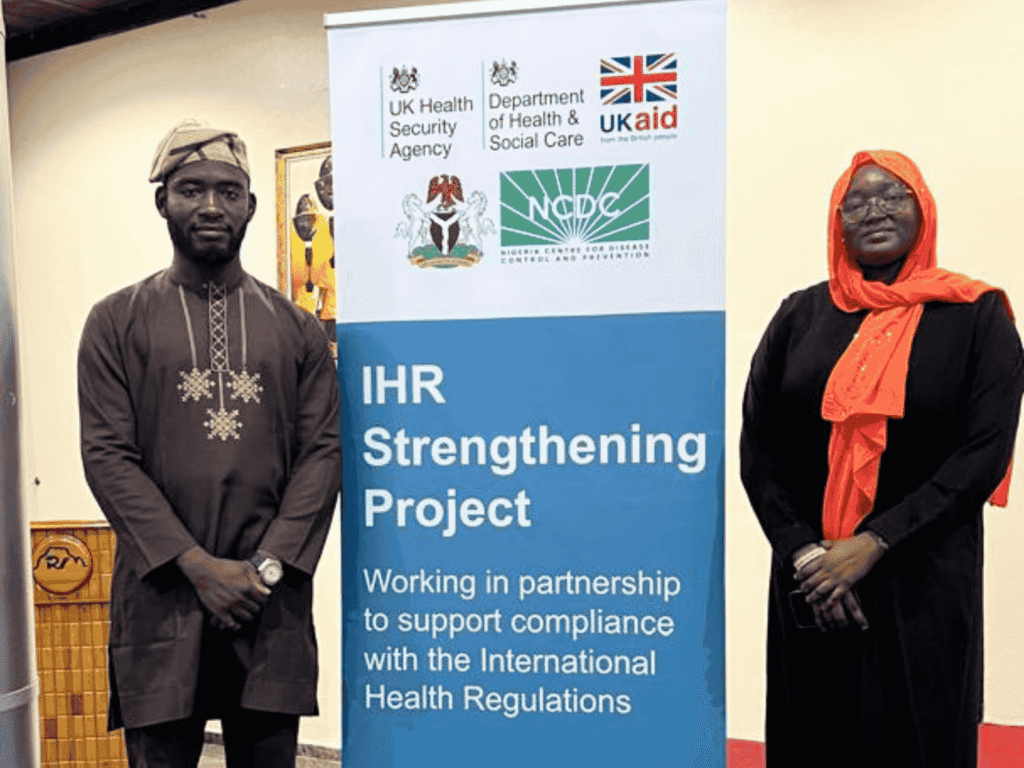
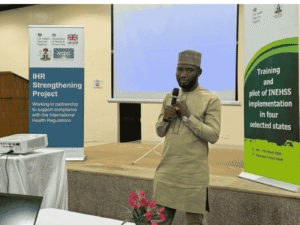
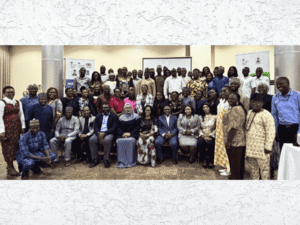
In March 2026, the One Health and Development Initiative (OHDI) participated in a national workshop convened by the Federal Ministry of Environment in collaboration with the United Kingdom Health Security Agency (UKHSA). OHDI was represented by Dr. Bashirat Idris and Dr. Nabil Yakubu. The focus was clear and urgent: building functional, multi-sectoral surveillance mechanisms for hazard identification, reporting, and response across Nigeria, and Dr Nabil (representing Dr. Kikiope Oluwarore, OHDI’s Executive Director) shared a message of commitment to this action.
From Fragmentation to Coordination
One of the central challenges addressed during the workshop was fragmentation. Across many systems, environmental, human, and animal health data are often collected and managed separately. This creates delays in detection, weakens response coordination, and increases the risk that emerging hazards go unnoticed until they escalate.
The workshop sought to address this gap by introducing a more structured and coordinated approach, one that brings together stakeholders across sectors into a unified surveillance and response system.
For OHDI, this direction is not new. It reflects a core principle of the One Health approach that effective prevention and response depend on how well systems communicate and work together.
Building Practical Surveillance Systems
What made the engagement particularly important was its focus on practicality.
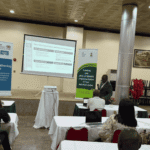
Rather than remaining at the level of policy discussions, the workshop guided participants through how surveillance systems actually function, from identifying hazards to documenting them, verifying information, and triggering appropriate response actions.
Participants were introduced to standardized reporting tools and a centralized digital platform designed to support hazard reporting across sectors. The system allows frontline actors to record incidents, provide contextual details, and support coordinated decision-making.
This kind of structure is essential. Surveillance systems are only as effective as their ability to translate information into action and that requires clarity, consistency, and usability.
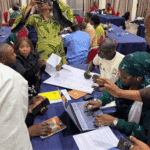
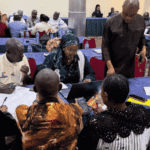
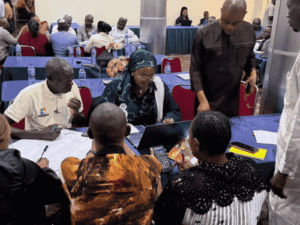
The workshop moved then beyond theory through hands-on training and simulation exercises.
Participants were presented with real-life scenarios, requiring them to identify hazards, document events, and navigate reporting pathways. These exercises reinforced an important reality that early detection is not just about tools, but about people knowing what to look for, how to report it, and where that information goes.
It also highlighted the importance of coordination. A well-reported hazard is only useful if it reaches the right system and triggers a timely response.
Connecting Policy to Community-Level Action
While the workshop focused on national and subnational systems, its relevance extends directly to the community level.
Early signals of environmental and public health risks often originate within communities through unusual events, changes in patterns, or direct exposure to hazards. Strengthening national surveillance systems must therefore be complemented by approaches that enable communities to report and engage effectively.
This is where integrated models that connect community reporting with institutional systems become critical. When local-level detection is linked to structured reporting pathways and coordinated response mechanisms, the entire system becomes more responsive and resilient.
A Step Toward Stronger Health Security Systems
The participation of state representatives from across Nigeria, alongside national and international partners, reflects a growing recognition that health security cannot be achieved in silos.
The workshop strengthened capacity, improved understanding of reporting systems, and reinforced the role of multi-sectoral collaboration in hazard detection and response.
More importantly, it marked a step toward building systems that are not only technically sound, but operationally effective.
OHDI’s Role in Advancing Integrated Surveillance
OHDI’s engagement in the workshop aligns with its broader work in strengthening integrated surveillance systems and promoting One Health coordination across sectors. By contributing to discussions and supporting the development of collaborative frameworks, OHDI continues to play a role in bridging gaps between policy, systems, and real-world implementation.
The emphasis remains clear on improving how risks are detected, reported, and acted upon whether at the community level or within national systems.
Looking Ahead
The success of initiatives like this will depend on what happens next and it means that tools must be adopted, systems must be used, and coordination must be sustained.
As Nigeria continues to strengthen its surveillance architecture, the integration of environmental, human, and animal health systems will be critical not only for responding to current risks, but for anticipating and preventing future ones.
Because in health security, timing matters. And the earlier a system can detect and respond, the stronger it becomes.