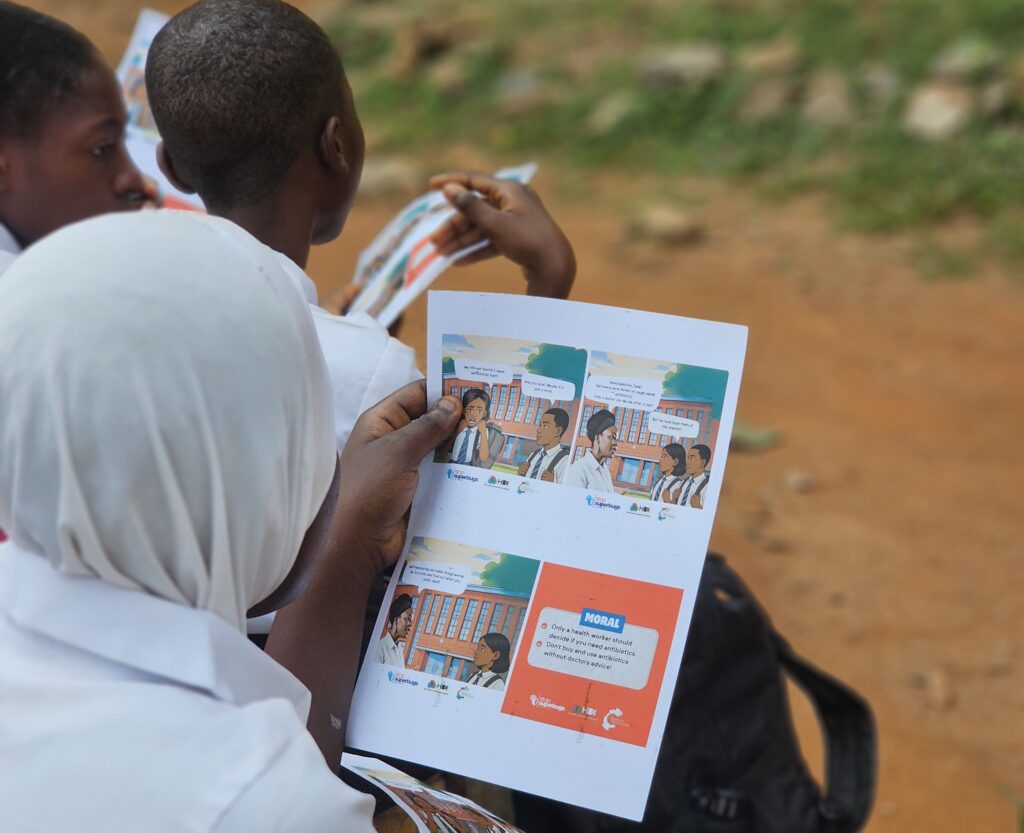
Every year, World Antimicrobial Resistance Awareness Week (WAAW) serves as a global rallying point to confront one of the most pressing public health threats of our time, antimicrobial resistance (AMR). In 2025, the Youth for AMR Risk Communication and Action (YARC) project, implemented by One Health and Development Initiative (OHDI), took this moment beyond hashtags and policy rooms, bringing AMR conversations directly to people who are too often left out of national campaigns.
From October to late November 2025, YARC deliberately leveraged WAAW as both a catalyst and a platform – not just for awareness, but for action, inclusion, and learning across Nigeria’s six geopolitical zones.
Why YARC Focused on WAAW 2025
While AMR messaging often targets urban, literate populations, YARC recognised a critical gap with marginalised and hard-to-reach communities, including rural farmers, internally displaced persons (IDPs), persons with disabilities (PWDs), informal workers, market traders, abattoir workers, and NEET (Not in Education, Employment, or Training) youth.
WAAW 2025 provided an opportunity to amplify AMR risk communication during a globally recognised moment, centre youth as trusted messengers, localise AMR, WASH, and responsible antimicrobial use messages, and generate community-level evidence to inform future advocacy
Preparing Youth Champions for the Moment
The foundation for WAAW activities was laid weeks before the awareness week itself. Ten experienced and previously trained youth AMR champions from OHDI’s YARC network were selected and supported through a four-day virtual refresher training guided by the WAAW 2025 Champion Training Guide.
The training strengthened champions’ skills in the following:
- AMR basics and stewardship (human and animal health)
- WASH and infection prevention
- Communicating AMR to low-literacy and marginalised audiences
- Field engagement, ethical data collection, and reporting
- Local campaign planning and adaptation
Each champion then trained four additional youths, forming five-member outreach teams, thereby expanding reach, ownership, and peer leadership at community level.
Listening First: Community Mapping and Scoping
Before stepping into outreach mode, YARC champions carried out community mapping, surveys, and focus group discussions across diverse settings. This helped uncover gaps in AMR knowledge and myths around antibiotics, risky self-medication and animal drug-use practices, WASH challenges linked to daily livelihoods and language, cultural, and accessibility barriers. This listening phase ensured that WAAW activities were not generic, but grounded in lived realities.
WAAW in Action: Localised Outreach Across Nigeria
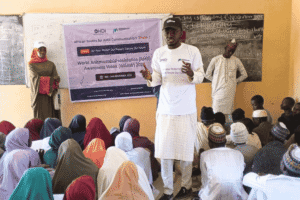
During and immediately after World AMR Awareness Week, champion-led teams rolled out tailored, community-specific outreach activities, using local languages (including Hausa and Pidgin), storytelling, visuals, and interactive dialogue.
Activities included:
- Open-air community sensitisation sessions
- Farm and agro-vet store visits
- Market-stall and shop-to-shop engagement
- IDP camp discussions with women and caregivers
- Inclusive sessions with persons with disabilities
- Engagements with abattoir workers and informal youth groups
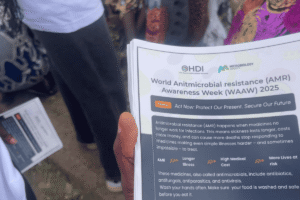
Across settings, key messages focused on what AMR is and why it matters locally, the dangers of antibiotic misuse and self-medication, responsible antimicrobial use in humans and animals, and the critical role of hygiene, sanitation, and clean water.
Reaching Those Often Missed
By design, YARC’s WAAW 2025 activities prioritised inclusion. Over the course of the campaign, the project achieved the following:
- ~2,000 people were reached through in-person sessions and complementary radio messaging
- NEET youth formed the largest beneficiary group, most engaging for the first time in formal health discussions
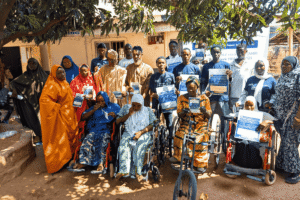
- Persons with disabilities were reached through adapted, inclusive sessions
- Rural farmers and animal handlers received context-specific AMR and biosecurity guidance
- Community leaders and local officials were engaged to support sustained action
Many participants reported that this was their first-ever exposure to AMR education, especially delivered in a language and format they could fully relate to.
What Changed: Early Outcomes
Monitoring and feedback showed encouraging immediate results which included 70–90% improvement in community understanding of AMR risks and antibiotic misuse, stronger appreciation of the link between WASH, infection, and antibiotic use, increased confidence and advocacy skills among youth champions, and community leaders requesting follow-up visits and continued engagement Youth champions themselves emerged more confident, not just as educators, but as local advocates and connectors between communities and the broader AMR agenda.
In several NEET youth clusters, participants expressed gratitude that the campaign recognised and included them, noting that they are often ignored in public health programming.
At an abattoir outreach, management openly welcomed the team and committed to continued collaboration, recognising the relevance of AMR education to food safety and worker health.
Across communities, storytelling in local languages sparked lively discussions, thereby turning complex science into shared understanding.
Lessons from the Field
The WAAW 2025 YARC experience reinforced key insights highlighted as follows:
- That flexibility matters as we conducted training refreshers, and adapted training session timing and formats which improved youth understanding, participation and confidence
- Language and culture are central as we focused on visuals, stories, and local idioms worked better than technical explanations
- Multi-channel communication is essential for remote or low-connectivity settings
- Youth leadership is powerful, especially when supported with structure, trust, and mentorship
Beyond WAAW: What Comes Next
WAAW 2025 was not an endpoint. YARC is now building on these engagements to conduct follow-up visits to reinforce behaviour change, compile community-level AMR insights for policy advocacy, support champions to document case studies and success stories, expand future WAAW campaigns to reach even more marginalised groups, and dvocate for sustained inclusion of youth and underserved populations in Nigeria’s AMR strategies.
Through YARC, World AMR Awareness Week 2025 became more than a calendar event, it became a community-owned movement. By centering youth, listening first, and meeting people where they are, OHDI demonstrated how inclusive, grassroots action can bring the AMR conversation to life, one community at a time.