PREVENTING ANTIMICROBIAL RESISTANCE TOGETHER
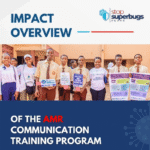
Empowering young leaders to champion antimicrobial stewardship and drive community action against AMR
The African Youths for AMR Communication (AYAC) project is a regional capacity-building initiative designed to strengthen antimicrobial resistance (AMR) education and communication across Africa. AMR poses an escalating public health threat on the continent, contributing to hundreds of thousands of deaths each year and undermining progress against both infectious and non-communicable diseases. Despite growing global attention, limited awareness and inadequate AMR education persist in many African communities. This knowledge gap fuels the misuse of antimicrobials and accelerates resistance.
AYAC addresses this challenge by empowering young people to become informed communicators and advocates for AMR prevention and control within their countries and communities. Recognizing the transformative role of youth in shaping public attitudes and policies, the project equips the next generation of AMR champions with the knowledge, skills, and resources to “educate and advocate” for sustainable AMR awareness. These young leaders have engaged diverse audiences; from healthcare professionals, farmers, and policymakers to schools, university campuses, and marginalized populations such as NEET youth (not in employment, education or training), persons with disabilities, internally displaced persons, and rural farmers.
Since its inception, AYAC has established a vibrant network of youth leaders (including the Stop Superbug Squad) across Africa who are skilled in AMR communication, advocacy, and community engagement. By fostering collaboration, innovation, and cross-country learning, AYAC strengthens the continent’s collective response to antimicrobial resistance and promotes a culture of informed, sustainable health behavior within the One Health framework.
In June 2025, AYAC won the global Antibiotic Guardian Awards for Public Engagement.
From October to November 2024, youth participants from multiple African countries completed a 9-hour virtual AMR communication train-the-trainer program. Selected champions—from AMR clubs, student networks, and health-related associations—were trained on AMR fundamentals, One Health risk communication, behavioral and gender considerations, community engagement, digital media strategies, and policy advocacy. They subsequently trained additional youth volunteers within their networks.
Trained champions worked with project team, advisors and consultants to co-design context-specific communication materials, including flyers, posters, infographics, and social media content.
Through mini-grants, we supported the champions to implement AMR education and advocacy activities during WAAW 2024, reaching communities through schools, abattoirs, pharmacies, primary healthcare centers, veterinary clinics, and media platforms.
The WASH off AMR campaign was launched to address the persistent gaps in antimicrobial resistance (AMR) and water, sanitation, and hygiene (WASH) education contributing to the spread of AMR in Nigerian communities. Implemented in 81 secondary schools across the country, the campaign aimed to strengthen WASH practices and promote youth-led AMR awareness through tailored risk communication and school-based interventions.
These trained champions conducted school visits, engaged administrators, and carried out scoping assessments to identify gaps in AMR/WASH knowledge and existing infrastructure. Guided by these findings, the champions and project team co-developed context-specific risk communication materials, translated into Pidgin and Hausa, and used them during school outreaches.
The champions were also given mini-grants to donate essential WASH supplies, including Veronica buckets, handwashing stations, soaps, detergents, and waste bins, to support hygiene behaviour change. Thereafter, they established AMR clubs in these schools to sustain awareness efforts.
In the second phase, we are providing advanced communication training focused on engaging neglected and marginalised groups, including NEET youth, persons with disabilities, internally displaced persons, and rural farmers. As in Phase 1, champions will co-develop tailored communication materials and receive mini-grants to lead AMR education initiatives in target communities during WAAW 2025.

PREVENTING ANTIMICROBIAL RESISTANCE TOGETHER

Download the Impact Brochure: African Youths for AMR Communication Program
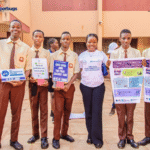
Empowering African Youths for AMR Communication
Combating Superbugs: People and Policies Innovating to Fight AMR
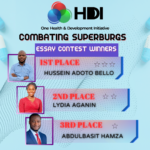
WINNERS: Combating Superbugs Essay Competition

PREVENTING ANTIMICROBIAL RESISTANCE TOGETHER
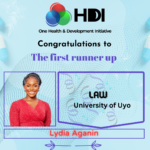
Combating superbugs essay competition: First runner up essay by Aganin Lydia
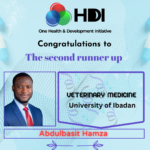
Combating superbugs challenge: Second runner up essay by Abdulbasit Hamza
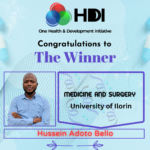
Combating superbugs essay competition: Winning essay by Hussein Adoto Bello
| Cookie | Duration | Description |
|---|---|---|
| cookielawinfo-checkbox-analytics | 11 months | This cookie is set by GDPR Cookie Consent plugin. The cookie is used to store the user consent for the cookies in the category "Analytics". |
| cookielawinfo-checkbox-functional | 11 months | The cookie is set by GDPR cookie consent to record the user consent for the cookies in the category "Functional". |
| cookielawinfo-checkbox-necessary | 11 months | This cookie is set by GDPR Cookie Consent plugin. The cookies is used to store the user consent for the cookies in the category "Necessary". |
| cookielawinfo-checkbox-others | 11 months | This cookie is set by GDPR Cookie Consent plugin. The cookie is used to store the user consent for the cookies in the category "Other. |
| cookielawinfo-checkbox-performance | 11 months | This cookie is set by GDPR Cookie Consent plugin. The cookie is used to store the user consent for the cookies in the category "Performance". |
| viewed_cookie_policy | 11 months | The cookie is set by the GDPR Cookie Consent plugin and is used to store whether or not user has consented to the use of cookies. It does not store any personal data. |